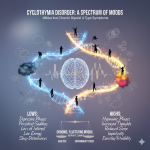
Cyclothymic Disorder (Cyclothymia)
February 26, 2026

Overview
Cyclothymic disorder (cyclothymia) is a chronic, bipolar spectrum mood disorder defined by persistent, alternating periods of subsyndromal hypomanic and depressive symptoms lasting at least two years in adults (one year in children and adolescents), during which the individual has not been symptom-free for more than two months at a time and has never met full criteria for a manic, hypomanic, or major depressive episode (APA, 2022). In a mild or residual category, it is clinically misleading and has contributed to decades of underdiagnosis and mistreatment. Cyclothymia is distinct form of bipolarity, with its own temperamental substrate, substantial functional impairment, significant psychiatric comorbidity, and a clinically meaningful risk of progression to Bipolar I (BD-I) or BD-II in 15–50% of untreated cases (Bielecki & Gupta, 2023; Perugi et al., 2017). Current Neuropharmacology that cyclothymia is best understood as an exaggeration of cyclothymic temperament is a neurodevelopmental disposition characterized by intense emotional reactivity, rapid mood oscillations, interpersonal hypersensitivity, and impulsivity, rather than as a simple recurrence of low-grade mood symptoms (Perugi et al., 2017). The blog demonstrates a clinical overview of cyclothymia ranging from its burden, clinical assessment, diagnosis, treatment plan and strategies and evaluation measures.
Epidemiology
Prevalence
The lifetime prevalence of cyclothymic disorder in the general population is estimated at 0.4–1.0% based on DSM diagnostic criteria; however, broader community studies using dimensional temperament assessments suggest rates of 3–6% or higher when subthreshold presentations are included (Bielecki & Gupta, 2023). Data from 20–50% of individuals who seek clinical help for mood, anxiety, impulsive, or addictive disorders ultimately screen positive for cyclothymia after careful evaluation, suggesting substantial underrecognition in clinical settings (Perugi et al., 2017). Cyclothymia may, in fact, be the most prevalent form of bipolar spectrum disorder in community settings, though it is among the least frequently diagnosed in clinical practice (Bielecki & Gupta, 2023). As part of the broader bipolar disorder spectrum, cyclothymia contributes to the global burden of approximately 40 million people affected by bipolar disorders worldwide (Berk et al., 2025).Patterns
Cyclothymia typically begins in adolescence or early adulthood, often before age 21, and follows a chronic, fluctuating course (APA, 2022). The disorder affects men and women in equal proportions, though women may be more likely to seek treatment (Bielecki & Gupta, 2023). No racial or ethnic predilection has been consistently identified. The condition’s onset is insidious; mood instability is often initially attributed to personality traits, interpersonal difficulties, or environmental stressors, contributing to a prolonged period before correct diagnosis. Sleep disturbances are among the most consistent and clinically important associated features, linking cyclothymia closely with circadian rhythm dysregulation (Song et al., 2024).Determinants
Etiology
Cyclothymia is a multifactorial condition arising from the interaction of genetic predisposition, neurodevelopmental factors, and environmental stressors. Perugi et al. (2017) conceptualize cyclothymic temperament as the core etiological substrate: a heritable, neurodevelopmentally rooted disposition that manifests as extreme emotional reactivity and rapid mood oscillation, and that increases vulnerability to a wide range of psychiatric disorders.Biological Factors
- Heritability is substantial; family studies consistently show elevated rates of bipolar spectrum disorders, cyclothymia, and affective temperaments in first-degree relatives (Bielecki & Gupta, 2023)
- Circadian rhythm disruption is a core biological mechanism: irregular sleep-wake cycles, disrupted social rhythms, and diurnal mood variability are cardinal features that link cyclothymia directly to the broader bipolar spectrum (Song et al., 2024; Perugi et al., 2017)
- Structural and functional neuroimaging findings overlap with BD-I and BD-II, including amygdala hyperreactivity and prefrontal regulatory deficits, suggesting a shared neurobiological vulnerability across the spectrum (Perugi et al., 2017)
- Mitochondrial dysfunction, oxidative stress, and inflammatory mechanisms implicated in bipolar spectrum disorders are under investigation as relevant pathophysiological pathways in cyclothymia (Berk et al., 2025)
Psychological Factors
- Cyclothymic temperament is the psychological core: emotional dysregulation characterized by intense, rapid mood changes, over-reactivity to interpersonal stimuli, and difficulty modulating behavior during emotional states (Perugi et al., 2017)
- Interpersonal hypersensitivity, abandonment anxiety, and separation sensitivity are prominent features that drive the overlap with Cluster B personality disorders, particularly Borderline Personality Disorder (BPD) (Perugi et al., 2017; Bateman et al., 2024)
- Childhood trauma and adverse life events intensify the expression of cyclothymic temperament and accelerate the transition toward more severe bipolar spectrum presentations
- Attachment insecurity and emotional dependency, often identified through psychotherapy, are psychologically relevant targets for treatment (Perugi et al., 2017)
Social Factors
- Social rhythm disruption — irregular sleep, unpredictable routines, and unstable interpersonal environments — is a key precipitant of mood oscillations in cyclothymia
- Stigma, misdiagnosis (most commonly as MDD, BPD, or ADHD), and consequent mistreatment are prevalent social and systemic factors that worsen prognosis (Perugi et al., 2017; Bielecki & Gupta, 2023)
- Low socioeconomic status, social instability, and lack of mental health literacy are associated with later diagnosis and poorer outcomes
Risk Factors
- Family history of bipolar spectrum disorders, cyclothymia, or affective temperament (strongest predictor)
- Cyclothymic or hyperthymic temperament in childhood or early adolescence
- History of childhood trauma, emotional neglect, or early loss
- Comorbid ADHD or neurodevelopmental disorders: cyclothymic emotional dysregulation co-occurs with ADHD, autism spectrum disorder, Tourette syndrome, and intellectual disability at rates higher than expected by chance (Perugi et al., 2017)
- Substance use disorders: cyclothymia co-occurs with substance use in a reciprocal pattern; substance use destabilizes mood and is used to self-regulate (Bielecki & Gupta, 2023)
- Antidepressant or stimulant exposure without mood stabilizer coverage can destabilize cyclothymia and accelerate progression to BD-I or BD-II (Perugi et al., 2017)
Effects on Population
Individual
Despite the ‘mild’ label, cyclothymia is associated with significant functional impairment across occupational, interpersonal, and social domains (Bielecki & Gupta, 2023). Persistent mood instability impairs concentration, decision-making, and relationship stability. The risk of progression to BD-I or BD-II is estimated at 15–50% over 10–20 years, particularly in the setting of antidepressant monotherapy, chronic stress, or untreated comorbidities (Perugi et al., 2017). Suicide risk is clinically meaningful: impulsivity, mixed mood states, substance use comorbidity, and interpersonal crises combine to elevate risk in a population that is frequently unrecognized and under-treated (Bielecki & Gupta, 2023). The risk is compounded when cyclothymia co-occurs with BPD features, as both conditions are independently associated with suicidal behavior (Bateman et al., 2024).Family
Families of individuals with cyclothymia are frequently puzzled and exhausted by the unpredictability of mood and behavior, particularly because symptoms are often attributed to personality or willfulness rather than a recognized clinical condition. Interpersonal hypersensitivity and emotional reactivity strain intimate relationships, and family members may inadvertently serve as environmental triggers. Children in the household are at elevated risk for mood and anxiety disorders. Family psychoeducation and family-focused interventions have demonstrated benefit in the broader bipolar spectrum and are applicable to cyclothymia (Levrat et al., 2024; Miklowitz et al., 2021).Community
Cyclothymia contributes substantially to community-level psychiatric and socioeconomic burden through elevated rates of mood disorder comorbidity, emergency mental health presentations, substance use, occupational absenteeism, and relationship instability. Between 20–50% of individuals presenting to outpatient psychiatric settings with mood, anxiety, impulse control, or substance use disorders may have undetected cyclothymia (Perugi et al., 2017). The disorder’s frequent misdiagnosis as recurrent depression or personality disorder leads to inappropriate antidepressant prescribing, which may accelerate cycling, increase mixed states, and ultimately worsen the long-term trajectory (Perugi et al., 2017; Bielecki & Gupta, 2023).Assessment
Cyclothymic disorder (cyclothymia) is a chronic, bipolar spectrum mood disorder defined by persistent, alternating periods of subsyndromal hypomanic and depressive symptoms lasting at least two years in adults (one year in children and adolescents), during which the individual has not been symptom-free for more than two months at a time and has never met full criteria for a manic, hypomanic, or major depressive episode (APA, 2022). In a mild or residual category, it is clinically misleading and has contributed to decades of underdiagnosis and mistreatment. Cyclothymia is distinct form of bipolarity, with its own temperamental substrate, substantial functional impairment, significant psychiatric comorbidity, and a clinically meaningful risk of progression to Bipolar I (BD-I) or BD-II in 15–50% of untreated cases (Bielecki & Gupta, 2023; Perugi et al., 2017). Current Neuropharmacology that cyclothymia is best understood as an exaggeration of cyclothymic temperament is a neurodevelopmental disposition characterized by intense emotional reactivity, rapid mood oscillations, interpersonal hypersensitivity, and impulsivity, rather than as a simple recurrence of low-grade mood symptoms (Perugi et al., 2017). The blog demonstrates a clinical overview of cyclothymia ranging from its burden, clinical assessment, diagnosis, treatment plan and strategies and evaluation measures.
Epidemiology
Prevalence
The lifetime prevalence of cyclothymic disorder in the general population is estimated at 0.4–1.0% based on DSM diagnostic criteria; however, broader community studies using dimensional temperament assessments suggest rates of 3–6% or higher when subthreshold presentations are included (Bielecki & Gupta, 2023). Data from 20–50% of individuals who seek clinical help for mood, anxiety, impulsive, or addictive disorders ultimately screen positive for cyclothymia after careful evaluation, suggesting substantial underrecognition in clinical settings (Perugi et al., 2017). Cyclothymia may, in fact, be the most prevalent form of bipolar spectrum disorder in community settings, though it is among the least frequently diagnosed in clinical practice (Bielecki & Gupta, 2023). As part of the broader bipolar disorder spectrum, cyclothymia contributes to the global burden of approximately 40 million people affected by bipolar disorders worldwide (Berk et al., 2025).Patterns
Cyclothymia typically begins in adolescence or early adulthood, often before age 21, and follows a chronic, fluctuating course (APA, 2022). The disorder affects men and women in equal proportions, though women may be more likely to seek treatment (Bielecki & Gupta, 2023). No racial or ethnic predilection has been consistently identified. The condition’s onset is insidious; mood instability is often initially attributed to personality traits, interpersonal difficulties, or environmental stressors, contributing to a prolonged period before correct diagnosis. Sleep disturbances are among the most consistent and clinically important associated features, linking cyclothymia closely with circadian rhythm dysregulation (Song et al., 2024).Determinants
Etiology
Cyclothymia is a multifactorial condition arising from the interaction of genetic predisposition, neurodevelopmental factors, and environmental stressors. Perugi et al. (2017) conceptualize cyclothymic temperament as the core etiological substrate: a heritable, neurodevelopmentally rooted disposition that manifests as extreme emotional reactivity and rapid mood oscillation, and that increases vulnerability to a wide range of psychiatric disorders.Biological Factors
- Heritability is substantial; family studies consistently show elevated rates of bipolar spectrum disorders, cyclothymia, and affective temperaments in first-degree relatives (Bielecki & Gupta, 2023)
- Circadian rhythm disruption is a core biological mechanism: irregular sleep-wake cycles, disrupted social rhythms, and diurnal mood variability are cardinal features that link cyclothymia directly to the broader bipolar spectrum (Song et al., 2024; Perugi et al., 2017)
- Structural and functional neuroimaging findings overlap with BD-I and BD-II, including amygdala hyperreactivity and prefrontal regulatory deficits, suggesting a shared neurobiological vulnerability across the spectrum (Perugi et al., 2017)
- Mitochondrial dysfunction, oxidative stress, and inflammatory mechanisms implicated in bipolar spectrum disorders are under investigation as relevant pathophysiological pathways in cyclothymia (Berk et al., 2025)
Psychological Factors
- Cyclothymic temperament is the psychological core: emotional dysregulation characterized by intense, rapid mood changes, over-reactivity to interpersonal stimuli, and difficulty modulating behavior during emotional states (Perugi et al., 2017)
- Interpersonal hypersensitivity, abandonment anxiety, and separation sensitivity are prominent features that drive the overlap with Cluster B personality disorders, particularly Borderline Personality Disorder (BPD) (Perugi et al., 2017; Bateman et al., 2024)
- Childhood trauma and adverse life events intensify the expression of cyclothymic temperament and accelerate the transition toward more severe bipolar spectrum presentations
- Attachment insecurity and emotional dependency, often identified through psychotherapy, are psychologically relevant targets for treatment (Perugi et al., 2017)
Social Factors
- Social rhythm disruption — irregular sleep, unpredictable routines, and unstable interpersonal environments — is a key precipitant of mood oscillations in cyclothymia
- Stigma, misdiagnosis (most commonly as MDD, BPD, or ADHD), and consequent mistreatment are prevalent social and systemic factors that worsen prognosis (Perugi et al., 2017; Bielecki & Gupta, 2023)
- Low socioeconomic status, social instability, and lack of mental health literacy are associated with later diagnosis and poorer outcomes
Risk Factors
- Family history of bipolar spectrum disorders, cyclothymia, or affective temperament (strongest predictor)
- Cyclothymic or hyperthymic temperament in childhood or early adolescence
- History of childhood trauma, emotional neglect, or early loss
- Comorbid ADHD or neurodevelopmental disorders: cyclothymic emotional dysregulation co-occurs with ADHD, autism spectrum disorder, Tourette syndrome, and intellectual disability at rates higher than expected by chance (Perugi et al., 2017)
- Substance use disorders: cyclothymia co-occurs with substance use in a reciprocal pattern; substance use destabilizes mood and is used to self-regulate (Bielecki & Gupta, 2023)
- Antidepressant or stimulant exposure without mood stabilizer coverage can destabilize cyclothymia and accelerate progression to BD-I or BD-II (Perugi et al., 2017)
Effects on Population
Individual
Despite the ‘mild’ label, cyclothymia is associated with significant functional impairment across occupational, interpersonal, and social domains (Bielecki & Gupta, 2023). Persistent mood instability impairs concentration, decision-making, and relationship stability. The risk of progression to BD-I or BD-II is estimated at 15–50% over 10–20 years, particularly in the setting of antidepressant monotherapy, chronic stress, or untreated comorbidities (Perugi et al., 2017). Suicide risk is clinically meaningful: impulsivity, mixed mood states, substance use comorbidity, and interpersonal crises combine to elevate risk in a population that is frequently unrecognized and under-treated (Bielecki & Gupta, 2023). The risk is compounded when cyclothymia co-occurs with BPD features, as both conditions are independently associated with suicidal behavior (Bateman et al., 2024).Family
Families of individuals with cyclothymia are frequently puzzled and exhausted by the unpredictability of mood and behavior, particularly because symptoms are often attributed to personality or willfulness rather than a recognized clinical condition. Interpersonal hypersensitivity and emotional reactivity strain intimate relationships, and family members may inadvertently serve as environmental triggers. Children in the household are at elevated risk for mood and anxiety disorders. Family psychoeducation and family-focused interventions have demonstrated benefit in the broader bipolar spectrum and are applicable to cyclothymia (Levrat et al., 2024; Miklowitz et al., 2021).Community
Cyclothymia contributes substantially to community-level psychiatric and socioeconomic burden through elevated rates of mood disorder comorbidity, emergency mental health presentations, substance use, occupational absenteeism, and relationship instability. Between 20–50% of individuals presenting to outpatient psychiatric settings with mood, anxiety, impulse control, or substance use disorders may have undetected cyclothymia (Perugi et al., 2017). The disorder’s frequent misdiagnosis as recurrent depression or personality disorder leads to inappropriate antidepressant prescribing, which may accelerate cycling, increase mixed states, and ultimately worsen the long-term trajectory (Perugi et al., 2017; Bielecki & Gupta, 2023).Diagnosis
Cyclothymic disorder (cyclothymia) is a chronic, bipolar spectrum mood disorder defined by persistent, alternating periods of subsyndromal hypomanic and depressive symptoms lasting at least two years in adults (one year in children and adolescents), during which the individual has not been symptom-free for more than two months at a time and has never met full criteria for a manic, hypomanic, or major depressive episode (APA, 2022). In a mild or residual category, it is clinically misleading and has contributed to decades of underdiagnosis and mistreatment. Cyclothymia is distinct form of bipolarity, with its own temperamental substrate, substantial functional impairment, significant psychiatric comorbidity, and a clinically meaningful risk of progression to Bipolar I (BD-I) or BD-II in 15–50% of untreated cases (Bielecki & Gupta, 2023; Perugi et al., 2017). Current Neuropharmacology that cyclothymia is best understood as an exaggeration of cyclothymic temperament is a neurodevelopmental disposition characterized by intense emotional reactivity, rapid mood oscillations, interpersonal hypersensitivity, and impulsivity, rather than as a simple recurrence of low-grade mood symptoms (Perugi et al., 2017). The blog demonstrates a clinical overview of cyclothymia ranging from its burden, clinical assessment, diagnosis, treatment plan and strategies and evaluation measures.
Epidemiology
Prevalence
The lifetime prevalence of cyclothymic disorder in the general population is estimated at 0.4–1.0% based on DSM diagnostic criteria; however, broader community studies using dimensional temperament assessments suggest rates of 3–6% or higher when subthreshold presentations are included (Bielecki & Gupta, 2023). Data from 20–50% of individuals who seek clinical help for mood, anxiety, impulsive, or addictive disorders ultimately screen positive for cyclothymia after careful evaluation, suggesting substantial underrecognition in clinical settings (Perugi et al., 2017). Cyclothymia may, in fact, be the most prevalent form of bipolar spectrum disorder in community settings, though it is among the least frequently diagnosed in clinical practice (Bielecki & Gupta, 2023). As part of the broader bipolar disorder spectrum, cyclothymia contributes to the global burden of approximately 40 million people affected by bipolar disorders worldwide (Berk et al., 2025).Patterns
Cyclothymia typically begins in adolescence or early adulthood, often before age 21, and follows a chronic, fluctuating course (APA, 2022). The disorder affects men and women in equal proportions, though women may be more likely to seek treatment (Bielecki & Gupta, 2023). No racial or ethnic predilection has been consistently identified. The condition’s onset is insidious; mood instability is often initially attributed to personality traits, interpersonal difficulties, or environmental stressors, contributing to a prolonged period before correct diagnosis. Sleep disturbances are among the most consistent and clinically important associated features, linking cyclothymia closely with circadian rhythm dysregulation (Song et al., 2024).Determinants
Etiology
Cyclothymia is a multifactorial condition arising from the interaction of genetic predisposition, neurodevelopmental factors, and environmental stressors. Perugi et al. (2017) conceptualize cyclothymic temperament as the core etiological substrate: a heritable, neurodevelopmentally rooted disposition that manifests as extreme emotional reactivity and rapid mood oscillation, and that increases vulnerability to a wide range of psychiatric disorders.Biological Factors
- Heritability is substantial; family studies consistently show elevated rates of bipolar spectrum disorders, cyclothymia, and affective temperaments in first-degree relatives (Bielecki & Gupta, 2023)
- Circadian rhythm disruption is a core biological mechanism: irregular sleep-wake cycles, disrupted social rhythms, and diurnal mood variability are cardinal features that link cyclothymia directly to the broader bipolar spectrum (Song et al., 2024; Perugi et al., 2017)
- Structural and functional neuroimaging findings overlap with BD-I and BD-II, including amygdala hyperreactivity and prefrontal regulatory deficits, suggesting a shared neurobiological vulnerability across the spectrum (Perugi et al., 2017)
- Mitochondrial dysfunction, oxidative stress, and inflammatory mechanisms implicated in bipolar spectrum disorders are under investigation as relevant pathophysiological pathways in cyclothymia (Berk et al., 2025)
Psychological Factors
- Cyclothymic temperament is the psychological core: emotional dysregulation characterized by intense, rapid mood changes, over-reactivity to interpersonal stimuli, and difficulty modulating behavior during emotional states (Perugi et al., 2017)
- Interpersonal hypersensitivity, abandonment anxiety, and separation sensitivity are prominent features that drive the overlap with Cluster B personality disorders, particularly Borderline Personality Disorder (BPD) (Perugi et al., 2017; Bateman et al., 2024)
- Childhood trauma and adverse life events intensify the expression of cyclothymic temperament and accelerate the transition toward more severe bipolar spectrum presentations
- Attachment insecurity and emotional dependency, often identified through psychotherapy, are psychologically relevant targets for treatment (Perugi et al., 2017)
Social Factors
- Social rhythm disruption — irregular sleep, unpredictable routines, and unstable interpersonal environments — is a key precipitant of mood oscillations in cyclothymia
- Stigma, misdiagnosis (most commonly as MDD, BPD, or ADHD), and consequent mistreatment are prevalent social and systemic factors that worsen prognosis (Perugi et al., 2017; Bielecki & Gupta, 2023)
- Low socioeconomic status, social instability, and lack of mental health literacy are associated with later diagnosis and poorer outcomes
Risk Factors
- Family history of bipolar spectrum disorders, cyclothymia, or affective temperament (strongest predictor)
- Cyclothymic or hyperthymic temperament in childhood or early adolescence
- History of childhood trauma, emotional neglect, or early loss
- Comorbid ADHD or neurodevelopmental disorders: cyclothymic emotional dysregulation co-occurs with ADHD, autism spectrum disorder, Tourette syndrome, and intellectual disability at rates higher than expected by chance (Perugi et al., 2017)
- Substance use disorders: cyclothymia co-occurs with substance use in a reciprocal pattern; substance use destabilizes mood and is used to self-regulate (Bielecki & Gupta, 2023)
- Antidepressant or stimulant exposure without mood stabilizer coverage can destabilize cyclothymia and accelerate progression to BD-I or BD-II (Perugi et al., 2017)
Effects on Population
Individual
Despite the ‘mild’ label, cyclothymia is associated with significant functional impairment across occupational, interpersonal, and social domains (Bielecki & Gupta, 2023). Persistent mood instability impairs concentration, decision-making, and relationship stability. The risk of progression to BD-I or BD-II is estimated at 15–50% over 10–20 years, particularly in the setting of antidepressant monotherapy, chronic stress, or untreated comorbidities (Perugi et al., 2017). Suicide risk is clinically meaningful: impulsivity, mixed mood states, substance use comorbidity, and interpersonal crises combine to elevate risk in a population that is frequently unrecognized and under-treated (Bielecki & Gupta, 2023). The risk is compounded when cyclothymia co-occurs with BPD features, as both conditions are independently associated with suicidal behavior (Bateman et al., 2024).Family
Families of individuals with cyclothymia are frequently puzzled and exhausted by the unpredictability of mood and behavior, particularly because symptoms are often attributed to personality or willfulness rather than a recognized clinical condition. Interpersonal hypersensitivity and emotional reactivity strain intimate relationships, and family members may inadvertently serve as environmental triggers. Children in the household are at elevated risk for mood and anxiety disorders. Family psychoeducation and family-focused interventions have demonstrated benefit in the broader bipolar spectrum and are applicable to cyclothymia (Levrat et al., 2024; Miklowitz et al., 2021).Community
Cyclothymia contributes substantially to community-level psychiatric and socioeconomic burden through elevated rates of mood disorder comorbidity, emergency mental health presentations, substance use, occupational absenteeism, and relationship instability. Between 20–50% of individuals presenting to outpatient psychiatric settings with mood, anxiety, impulse control, or substance use disorders may have undetected cyclothymia (Perugi et al., 2017). The disorder’s frequent misdiagnosis as recurrent depression or personality disorder leads to inappropriate antidepressant prescribing, which may accelerate cycling, increase mixed states, and ultimately worsen the long-term trajectory (Perugi et al., 2017; Bielecki & Gupta, 2023).Plan
Cyclothymic disorder (cyclothymia) is a chronic, bipolar spectrum mood disorder defined by persistent, alternating periods of subsyndromal hypomanic and depressive symptoms lasting at least two years in adults (one year in children and adolescents), during which the individual has not been symptom-free for more than two months at a time and has never met full criteria for a manic, hypomanic, or major depressive episode (APA, 2022). In a mild or residual category, it is clinically misleading and has contributed to decades of underdiagnosis and mistreatment. Cyclothymia is distinct form of bipolarity, with its own temperamental substrate, substantial functional impairment, significant psychiatric comorbidity, and a clinically meaningful risk of progression to Bipolar I (BD-I) or BD-II in 15–50% of untreated cases (Bielecki & Gupta, 2023; Perugi et al., 2017). Current Neuropharmacology that cyclothymia is best understood as an exaggeration of cyclothymic temperament is a neurodevelopmental disposition characterized by intense emotional reactivity, rapid mood oscillations, interpersonal hypersensitivity, and impulsivity, rather than as a simple recurrence of low-grade mood symptoms (Perugi et al., 2017). The blog demonstrates a clinical overview of cyclothymia ranging from its burden, clinical assessment, diagnosis, treatment plan and strategies and evaluation measures.
Epidemiology
Prevalence
The lifetime prevalence of cyclothymic disorder in the general population is estimated at 0.4–1.0% based on DSM diagnostic criteria; however, broader community studies using dimensional temperament assessments suggest rates of 3–6% or higher when subthreshold presentations are included (Bielecki & Gupta, 2023). Data from 20–50% of individuals who seek clinical help for mood, anxiety, impulsive, or addictive disorders ultimately screen positive for cyclothymia after careful evaluation, suggesting substantial underrecognition in clinical settings (Perugi et al., 2017). Cyclothymia may, in fact, be the most prevalent form of bipolar spectrum disorder in community settings, though it is among the least frequently diagnosed in clinical practice (Bielecki & Gupta, 2023). As part of the broader bipolar disorder spectrum, cyclothymia contributes to the global burden of approximately 40 million people affected by bipolar disorders worldwide (Berk et al., 2025).Patterns
Cyclothymia typically begins in adolescence or early adulthood, often before age 21, and follows a chronic, fluctuating course (APA, 2022). The disorder affects men and women in equal proportions, though women may be more likely to seek treatment (Bielecki & Gupta, 2023). No racial or ethnic predilection has been consistently identified. The condition’s onset is insidious; mood instability is often initially attributed to personality traits, interpersonal difficulties, or environmental stressors, contributing to a prolonged period before correct diagnosis. Sleep disturbances are among the most consistent and clinically important associated features, linking cyclothymia closely with circadian rhythm dysregulation (Song et al., 2024).Determinants
Etiology
Cyclothymia is a multifactorial condition arising from the interaction of genetic predisposition, neurodevelopmental factors, and environmental stressors. Perugi et al. (2017) conceptualize cyclothymic temperament as the core etiological substrate: a heritable, neurodevelopmentally rooted disposition that manifests as extreme emotional reactivity and rapid mood oscillation, and that increases vulnerability to a wide range of psychiatric disorders.Biological Factors
- Heritability is substantial; family studies consistently show elevated rates of bipolar spectrum disorders, cyclothymia, and affective temperaments in first-degree relatives (Bielecki & Gupta, 2023)
- Circadian rhythm disruption is a core biological mechanism: irregular sleep-wake cycles, disrupted social rhythms, and diurnal mood variability are cardinal features that link cyclothymia directly to the broader bipolar spectrum (Song et al., 2024; Perugi et al., 2017)
- Structural and functional neuroimaging findings overlap with BD-I and BD-II, including amygdala hyperreactivity and prefrontal regulatory deficits, suggesting a shared neurobiological vulnerability across the spectrum (Perugi et al., 2017)
- Mitochondrial dysfunction, oxidative stress, and inflammatory mechanisms implicated in bipolar spectrum disorders are under investigation as relevant pathophysiological pathways in cyclothymia (Berk et al., 2025)
Psychological Factors
- Cyclothymic temperament is the psychological core: emotional dysregulation characterized by intense, rapid mood changes, over-reactivity to interpersonal stimuli, and difficulty modulating behavior during emotional states (Perugi et al., 2017)
- Interpersonal hypersensitivity, abandonment anxiety, and separation sensitivity are prominent features that drive the overlap with Cluster B personality disorders, particularly Borderline Personality Disorder (BPD) (Perugi et al., 2017; Bateman et al., 2024)
- Childhood trauma and adverse life events intensify the expression of cyclothymic temperament and accelerate the transition toward more severe bipolar spectrum presentations
- Attachment insecurity and emotional dependency, often identified through psychotherapy, are psychologically relevant targets for treatment (Perugi et al., 2017)
Social Factors
- Social rhythm disruption — irregular sleep, unpredictable routines, and unstable interpersonal environments — is a key precipitant of mood oscillations in cyclothymia
- Stigma, misdiagnosis (most commonly as MDD, BPD, or ADHD), and consequent mistreatment are prevalent social and systemic factors that worsen prognosis (Perugi et al., 2017; Bielecki & Gupta, 2023)
- Low socioeconomic status, social instability, and lack of mental health literacy are associated with later diagnosis and poorer outcomes
Risk Factors
- Family history of bipolar spectrum disorders, cyclothymia, or affective temperament (strongest predictor)
- Cyclothymic or hyperthymic temperament in childhood or early adolescence
- History of childhood trauma, emotional neglect, or early loss
- Comorbid ADHD or neurodevelopmental disorders: cyclothymic emotional dysregulation co-occurs with ADHD, autism spectrum disorder, Tourette syndrome, and intellectual disability at rates higher than expected by chance (Perugi et al., 2017)
- Substance use disorders: cyclothymia co-occurs with substance use in a reciprocal pattern; substance use destabilizes mood and is used to self-regulate (Bielecki & Gupta, 2023)
- Antidepressant or stimulant exposure without mood stabilizer coverage can destabilize cyclothymia and accelerate progression to BD-I or BD-II (Perugi et al., 2017)
Effects on Population
Individual
Despite the ‘mild’ label, cyclothymia is associated with significant functional impairment across occupational, interpersonal, and social domains (Bielecki & Gupta, 2023). Persistent mood instability impairs concentration, decision-making, and relationship stability. The risk of progression to BD-I or BD-II is estimated at 15–50% over 10–20 years, particularly in the setting of antidepressant monotherapy, chronic stress, or untreated comorbidities (Perugi et al., 2017). Suicide risk is clinically meaningful: impulsivity, mixed mood states, substance use comorbidity, and interpersonal crises combine to elevate risk in a population that is frequently unrecognized and under-treated (Bielecki & Gupta, 2023). The risk is compounded when cyclothymia co-occurs with BPD features, as both conditions are independently associated with suicidal behavior (Bateman et al., 2024).Family
Families of individuals with cyclothymia are frequently puzzled and exhausted by the unpredictability of mood and behavior, particularly because symptoms are often attributed to personality or willfulness rather than a recognized clinical condition. Interpersonal hypersensitivity and emotional reactivity strain intimate relationships, and family members may inadvertently serve as environmental triggers. Children in the household are at elevated risk for mood and anxiety disorders. Family psychoeducation and family-focused interventions have demonstrated benefit in the broader bipolar spectrum and are applicable to cyclothymia (Levrat et al., 2024; Miklowitz et al., 2021).Community
Cyclothymia contributes substantially to community-level psychiatric and socioeconomic burden through elevated rates of mood disorder comorbidity, emergency mental health presentations, substance use, occupational absenteeism, and relationship instability. Between 20–50% of individuals presenting to outpatient psychiatric settings with mood, anxiety, impulse control, or substance use disorders may have undetected cyclothymia (Perugi et al., 2017). The disorder’s frequent misdiagnosis as recurrent depression or personality disorder leads to inappropriate antidepressant prescribing, which may accelerate cycling, increase mixed states, and ultimately worsen the long-term trajectory (Perugi et al., 2017; Bielecki & Gupta, 2023).Implementation
Cyclothymic disorder (cyclothymia) is a chronic, bipolar spectrum mood disorder defined by persistent, alternating periods of subsyndromal hypomanic and depressive symptoms lasting at least two years in adults (one year in children and adolescents), during which the individual has not been symptom-free for more than two months at a time and has never met full criteria for a manic, hypomanic, or major depressive episode (APA, 2022). In a mild or residual category, it is clinically misleading and has contributed to decades of underdiagnosis and mistreatment. Cyclothymia is distinct form of bipolarity, with its own temperamental substrate, substantial functional impairment, significant psychiatric comorbidity, and a clinically meaningful risk of progression to Bipolar I (BD-I) or BD-II in 15–50% of untreated cases (Bielecki & Gupta, 2023; Perugi et al., 2017). Current Neuropharmacology that cyclothymia is best understood as an exaggeration of cyclothymic temperament is a neurodevelopmental disposition characterized by intense emotional reactivity, rapid mood oscillations, interpersonal hypersensitivity, and impulsivity, rather than as a simple recurrence of low-grade mood symptoms (Perugi et al., 2017). The blog demonstrates a clinical overview of cyclothymia ranging from its burden, clinical assessment, diagnosis, treatment plan and strategies and evaluation measures.
Epidemiology
Prevalence
The lifetime prevalence of cyclothymic disorder in the general population is estimated at 0.4–1.0% based on DSM diagnostic criteria; however, broader community studies using dimensional temperament assessments suggest rates of 3–6% or higher when subthreshold presentations are included (Bielecki & Gupta, 2023). Data from 20–50% of individuals who seek clinical help for mood, anxiety, impulsive, or addictive disorders ultimately screen positive for cyclothymia after careful evaluation, suggesting substantial underrecognition in clinical settings (Perugi et al., 2017). Cyclothymia may, in fact, be the most prevalent form of bipolar spectrum disorder in community settings, though it is among the least frequently diagnosed in clinical practice (Bielecki & Gupta, 2023). As part of the broader bipolar disorder spectrum, cyclothymia contributes to the global burden of approximately 40 million people affected by bipolar disorders worldwide (Berk et al., 2025).Patterns
Cyclothymia typically begins in adolescence or early adulthood, often before age 21, and follows a chronic, fluctuating course (APA, 2022). The disorder affects men and women in equal proportions, though women may be more likely to seek treatment (Bielecki & Gupta, 2023). No racial or ethnic predilection has been consistently identified. The condition’s onset is insidious; mood instability is often initially attributed to personality traits, interpersonal difficulties, or environmental stressors, contributing to a prolonged period before correct diagnosis. Sleep disturbances are among the most consistent and clinically important associated features, linking cyclothymia closely with circadian rhythm dysregulation (Song et al., 2024).Determinants
Etiology
Cyclothymia is a multifactorial condition arising from the interaction of genetic predisposition, neurodevelopmental factors, and environmental stressors. Perugi et al. (2017) conceptualize cyclothymic temperament as the core etiological substrate: a heritable, neurodevelopmentally rooted disposition that manifests as extreme emotional reactivity and rapid mood oscillation, and that increases vulnerability to a wide range of psychiatric disorders.Biological Factors
- Heritability is substantial; family studies consistently show elevated rates of bipolar spectrum disorders, cyclothymia, and affective temperaments in first-degree relatives (Bielecki & Gupta, 2023)
- Circadian rhythm disruption is a core biological mechanism: irregular sleep-wake cycles, disrupted social rhythms, and diurnal mood variability are cardinal features that link cyclothymia directly to the broader bipolar spectrum (Song et al., 2024; Perugi et al., 2017)
- Structural and functional neuroimaging findings overlap with BD-I and BD-II, including amygdala hyperreactivity and prefrontal regulatory deficits, suggesting a shared neurobiological vulnerability across the spectrum (Perugi et al., 2017)
- Mitochondrial dysfunction, oxidative stress, and inflammatory mechanisms implicated in bipolar spectrum disorders are under investigation as relevant pathophysiological pathways in cyclothymia (Berk et al., 2025)
Psychological Factors
- Cyclothymic temperament is the psychological core: emotional dysregulation characterized by intense, rapid mood changes, over-reactivity to interpersonal stimuli, and difficulty modulating behavior during emotional states (Perugi et al., 2017)
- Interpersonal hypersensitivity, abandonment anxiety, and separation sensitivity are prominent features that drive the overlap with Cluster B personality disorders, particularly Borderline Personality Disorder (BPD) (Perugi et al., 2017; Bateman et al., 2024)
- Childhood trauma and adverse life events intensify the expression of cyclothymic temperament and accelerate the transition toward more severe bipolar spectrum presentations
- Attachment insecurity and emotional dependency, often identified through psychotherapy, are psychologically relevant targets for treatment (Perugi et al., 2017)
Social Factors
- Social rhythm disruption — irregular sleep, unpredictable routines, and unstable interpersonal environments — is a key precipitant of mood oscillations in cyclothymia
- Stigma, misdiagnosis (most commonly as MDD, BPD, or ADHD), and consequent mistreatment are prevalent social and systemic factors that worsen prognosis (Perugi et al., 2017; Bielecki & Gupta, 2023)
- Low socioeconomic status, social instability, and lack of mental health literacy are associated with later diagnosis and poorer outcomes
Risk Factors
- Family history of bipolar spectrum disorders, cyclothymia, or affective temperament (strongest predictor)
- Cyclothymic or hyperthymic temperament in childhood or early adolescence
- History of childhood trauma, emotional neglect, or early loss
- Comorbid ADHD or neurodevelopmental disorders: cyclothymic emotional dysregulation co-occurs with ADHD, autism spectrum disorder, Tourette syndrome, and intellectual disability at rates higher than expected by chance (Perugi et al., 2017)
- Substance use disorders: cyclothymia co-occurs with substance use in a reciprocal pattern; substance use destabilizes mood and is used to self-regulate (Bielecki & Gupta, 2023)
- Antidepressant or stimulant exposure without mood stabilizer coverage can destabilize cyclothymia and accelerate progression to BD-I or BD-II (Perugi et al., 2017)
Effects on Population
Individual
Despite the ‘mild’ label, cyclothymia is associated with significant functional impairment across occupational, interpersonal, and social domains (Bielecki & Gupta, 2023). Persistent mood instability impairs concentration, decision-making, and relationship stability. The risk of progression to BD-I or BD-II is estimated at 15–50% over 10–20 years, particularly in the setting of antidepressant monotherapy, chronic stress, or untreated comorbidities (Perugi et al., 2017). Suicide risk is clinically meaningful: impulsivity, mixed mood states, substance use comorbidity, and interpersonal crises combine to elevate risk in a population that is frequently unrecognized and under-treated (Bielecki & Gupta, 2023). The risk is compounded when cyclothymia co-occurs with BPD features, as both conditions are independently associated with suicidal behavior (Bateman et al., 2024).Family
Families of individuals with cyclothymia are frequently puzzled and exhausted by the unpredictability of mood and behavior, particularly because symptoms are often attributed to personality or willfulness rather than a recognized clinical condition. Interpersonal hypersensitivity and emotional reactivity strain intimate relationships, and family members may inadvertently serve as environmental triggers. Children in the household are at elevated risk for mood and anxiety disorders. Family psychoeducation and family-focused interventions have demonstrated benefit in the broader bipolar spectrum and are applicable to cyclothymia (Levrat et al., 2024; Miklowitz et al., 2021).Community
Cyclothymia contributes substantially to community-level psychiatric and socioeconomic burden through elevated rates of mood disorder comorbidity, emergency mental health presentations, substance use, occupational absenteeism, and relationship instability. Between 20–50% of individuals presenting to outpatient psychiatric settings with mood, anxiety, impulse control, or substance use disorders may have undetected cyclothymia (Perugi et al., 2017). The disorder’s frequent misdiagnosis as recurrent depression or personality disorder leads to inappropriate antidepressant prescribing, which may accelerate cycling, increase mixed states, and ultimately worsen the long-term trajectory (Perugi et al., 2017; Bielecki & Gupta, 2023).Evaluation
Cyclothymic disorder (cyclothymia) is a chronic, bipolar spectrum mood disorder defined by persistent, alternating periods of subsyndromal hypomanic and depressive symptoms lasting at least two years in adults (one year in children and adolescents), during which the individual has not been symptom-free for more than two months at a time and has never met full criteria for a manic, hypomanic, or major depressive episode (APA, 2022). In a mild or residual category, it is clinically misleading and has contributed to decades of underdiagnosis and mistreatment. Cyclothymia is distinct form of bipolarity, with its own temperamental substrate, substantial functional impairment, significant psychiatric comorbidity, and a clinically meaningful risk of progression to Bipolar I (BD-I) or BD-II in 15–50% of untreated cases (Bielecki & Gupta, 2023; Perugi et al., 2017). Current Neuropharmacology that cyclothymia is best understood as an exaggeration of cyclothymic temperament is a neurodevelopmental disposition characterized by intense emotional reactivity, rapid mood oscillations, interpersonal hypersensitivity, and impulsivity, rather than as a simple recurrence of low-grade mood symptoms (Perugi et al., 2017). The blog demonstrates a clinical overview of cyclothymia ranging from its burden, clinical assessment, diagnosis, treatment plan and strategies and evaluation measures.
Epidemiology
Prevalence
The lifetime prevalence of cyclothymic disorder in the general population is estimated at 0.4–1.0% based on DSM diagnostic criteria; however, broader community studies using dimensional temperament assessments suggest rates of 3–6% or higher when subthreshold presentations are included (Bielecki & Gupta, 2023). Data from 20–50% of individuals who seek clinical help for mood, anxiety, impulsive, or addictive disorders ultimately screen positive for cyclothymia after careful evaluation, suggesting substantial underrecognition in clinical settings (Perugi et al., 2017). Cyclothymia may, in fact, be the most prevalent form of bipolar spectrum disorder in community settings, though it is among the least frequently diagnosed in clinical practice (Bielecki & Gupta, 2023). As part of the broader bipolar disorder spectrum, cyclothymia contributes to the global burden of approximately 40 million people affected by bipolar disorders worldwide (Berk et al., 2025).Patterns
Cyclothymia typically begins in adolescence or early adulthood, often before age 21, and follows a chronic, fluctuating course (APA, 2022). The disorder affects men and women in equal proportions, though women may be more likely to seek treatment (Bielecki & Gupta, 2023). No racial or ethnic predilection has been consistently identified. The condition’s onset is insidious; mood instability is often initially attributed to personality traits, interpersonal difficulties, or environmental stressors, contributing to a prolonged period before correct diagnosis. Sleep disturbances are among the most consistent and clinically important associated features, linking cyclothymia closely with circadian rhythm dysregulation (Song et al., 2024).Determinants
Etiology
Cyclothymia is a multifactorial condition arising from the interaction of genetic predisposition, neurodevelopmental factors, and environmental stressors. Perugi et al. (2017) conceptualize cyclothymic temperament as the core etiological substrate: a heritable, neurodevelopmentally rooted disposition that manifests as extreme emotional reactivity and rapid mood oscillation, and that increases vulnerability to a wide range of psychiatric disorders.Biological Factors
- Heritability is substantial; family studies consistently show elevated rates of bipolar spectrum disorders, cyclothymia, and affective temperaments in first-degree relatives (Bielecki & Gupta, 2023)
- Circadian rhythm disruption is a core biological mechanism: irregular sleep-wake cycles, disrupted social rhythms, and diurnal mood variability are cardinal features that link cyclothymia directly to the broader bipolar spectrum (Song et al., 2024; Perugi et al., 2017)
- Structural and functional neuroimaging findings overlap with BD-I and BD-II, including amygdala hyperreactivity and prefrontal regulatory deficits, suggesting a shared neurobiological vulnerability across the spectrum (Perugi et al., 2017)
- Mitochondrial dysfunction, oxidative stress, and inflammatory mechanisms implicated in bipolar spectrum disorders are under investigation as relevant pathophysiological pathways in cyclothymia (Berk et al., 2025)
Psychological Factors
- Cyclothymic temperament is the psychological core: emotional dysregulation characterized by intense, rapid mood changes, over-reactivity to interpersonal stimuli, and difficulty modulating behavior during emotional states (Perugi et al., 2017)
- Interpersonal hypersensitivity, abandonment anxiety, and separation sensitivity are prominent features that drive the overlap with Cluster B personality disorders, particularly Borderline Personality Disorder (BPD) (Perugi et al., 2017; Bateman et al., 2024)
- Childhood trauma and adverse life events intensify the expression of cyclothymic temperament and accelerate the transition toward more severe bipolar spectrum presentations
- Attachment insecurity and emotional dependency, often identified through psychotherapy, are psychologically relevant targets for treatment (Perugi et al., 2017)
Social Factors
- Social rhythm disruption — irregular sleep, unpredictable routines, and unstable interpersonal environments — is a key precipitant of mood oscillations in cyclothymia
- Stigma, misdiagnosis (most commonly as MDD, BPD, or ADHD), and consequent mistreatment are prevalent social and systemic factors that worsen prognosis (Perugi et al., 2017; Bielecki & Gupta, 2023)
- Low socioeconomic status, social instability, and lack of mental health literacy are associated with later diagnosis and poorer outcomes
Risk Factors
- Family history of bipolar spectrum disorders, cyclothymia, or affective temperament (strongest predictor)
- Cyclothymic or hyperthymic temperament in childhood or early adolescence
- History of childhood trauma, emotional neglect, or early loss
- Comorbid ADHD or neurodevelopmental disorders: cyclothymic emotional dysregulation co-occurs with ADHD, autism spectrum disorder, Tourette syndrome, and intellectual disability at rates higher than expected by chance (Perugi et al., 2017)
- Substance use disorders: cyclothymia co-occurs with substance use in a reciprocal pattern; substance use destabilizes mood and is used to self-regulate (Bielecki & Gupta, 2023)
- Antidepressant or stimulant exposure without mood stabilizer coverage can destabilize cyclothymia and accelerate progression to BD-I or BD-II (Perugi et al., 2017)
Effects on Population
Individual
Despite the ‘mild’ label, cyclothymia is associated with significant functional impairment across occupational, interpersonal, and social domains (Bielecki & Gupta, 2023). Persistent mood instability impairs concentration, decision-making, and relationship stability. The risk of progression to BD-I or BD-II is estimated at 15–50% over 10–20 years, particularly in the setting of antidepressant monotherapy, chronic stress, or untreated comorbidities (Perugi et al., 2017). Suicide risk is clinically meaningful: impulsivity, mixed mood states, substance use comorbidity, and interpersonal crises combine to elevate risk in a population that is frequently unrecognized and under-treated (Bielecki & Gupta, 2023). The risk is compounded when cyclothymia co-occurs with BPD features, as both conditions are independently associated with suicidal behavior (Bateman et al., 2024).Family
Families of individuals with cyclothymia are frequently puzzled and exhausted by the unpredictability of mood and behavior, particularly because symptoms are often attributed to personality or willfulness rather than a recognized clinical condition. Interpersonal hypersensitivity and emotional reactivity strain intimate relationships, and family members may inadvertently serve as environmental triggers. Children in the household are at elevated risk for mood and anxiety disorders. Family psychoeducation and family-focused interventions have demonstrated benefit in the broader bipolar spectrum and are applicable to cyclothymia (Levrat et al., 2024; Miklowitz et al., 2021).Community
Cyclothymia contributes substantially to community-level psychiatric and socioeconomic burden through elevated rates of mood disorder comorbidity, emergency mental health presentations, substance use, occupational absenteeism, and relationship instability. Between 20–50% of individuals presenting to outpatient psychiatric settings with mood, anxiety, impulse control, or substance use disorders may have undetected cyclothymia (Perugi et al., 2017). The disorder’s frequent misdiagnosis as recurrent depression or personality disorder leads to inappropriate antidepressant prescribing, which may accelerate cycling, increase mixed states, and ultimately worsen the long-term trajectory (Perugi et al., 2017; Bielecki & Gupta, 2023).Resources
Cyclothymic disorder (cyclothymia) is a chronic, bipolar spectrum mood disorder defined by persistent, alternating periods of subsyndromal hypomanic and depressive symptoms lasting at least two years in adults (one year in children and adolescents), during which the individual has not been symptom-free for more than two months at a time and has never met full criteria for a manic, hypomanic, or major depressive episode (APA, 2022). In a mild or residual category, it is clinically misleading and has contributed to decades of underdiagnosis and mistreatment. Cyclothymia is distinct form of bipolarity, with its own temperamental substrate, substantial functional impairment, significant psychiatric comorbidity, and a clinically meaningful risk of progression to Bipolar I (BD-I) or BD-II in 15–50% of untreated cases (Bielecki & Gupta, 2023; Perugi et al., 2017). Current Neuropharmacology that cyclothymia is best understood as an exaggeration of cyclothymic temperament is a neurodevelopmental disposition characterized by intense emotional reactivity, rapid mood oscillations, interpersonal hypersensitivity, and impulsivity, rather than as a simple recurrence of low-grade mood symptoms (Perugi et al., 2017). The blog demonstrates a clinical overview of cyclothymia ranging from its burden, clinical assessment, diagnosis, treatment plan and strategies and evaluation measures.
Epidemiology
Prevalence
The lifetime prevalence of cyclothymic disorder in the general population is estimated at 0.4–1.0% based on DSM diagnostic criteria; however, broader community studies using dimensional temperament assessments suggest rates of 3–6% or higher when subthreshold presentations are included (Bielecki & Gupta, 2023). Data from 20–50% of individuals who seek clinical help for mood, anxiety, impulsive, or addictive disorders ultimately screen positive for cyclothymia after careful evaluation, suggesting substantial underrecognition in clinical settings (Perugi et al., 2017). Cyclothymia may, in fact, be the most prevalent form of bipolar spectrum disorder in community settings, though it is among the least frequently diagnosed in clinical practice (Bielecki & Gupta, 2023). As part of the broader bipolar disorder spectrum, cyclothymia contributes to the global burden of approximately 40 million people affected by bipolar disorders worldwide (Berk et al., 2025).Patterns
Cyclothymia typically begins in adolescence or early adulthood, often before age 21, and follows a chronic, fluctuating course (APA, 2022). The disorder affects men and women in equal proportions, though women may be more likely to seek treatment (Bielecki & Gupta, 2023). No racial or ethnic predilection has been consistently identified. The condition’s onset is insidious; mood instability is often initially attributed to personality traits, interpersonal difficulties, or environmental stressors, contributing to a prolonged period before correct diagnosis. Sleep disturbances are among the most consistent and clinically important associated features, linking cyclothymia closely with circadian rhythm dysregulation (Song et al., 2024).Determinants
Etiology
Cyclothymia is a multifactorial condition arising from the interaction of genetic predisposition, neurodevelopmental factors, and environmental stressors. Perugi et al. (2017) conceptualize cyclothymic temperament as the core etiological substrate: a heritable, neurodevelopmentally rooted disposition that manifests as extreme emotional reactivity and rapid mood oscillation, and that increases vulnerability to a wide range of psychiatric disorders.Biological Factors
- Heritability is substantial; family studies consistently show elevated rates of bipolar spectrum disorders, cyclothymia, and affective temperaments in first-degree relatives (Bielecki & Gupta, 2023)
- Circadian rhythm disruption is a core biological mechanism: irregular sleep-wake cycles, disrupted social rhythms, and diurnal mood variability are cardinal features that link cyclothymia directly to the broader bipolar spectrum (Song et al., 2024; Perugi et al., 2017)
- Structural and functional neuroimaging findings overlap with BD-I and BD-II, including amygdala hyperreactivity and prefrontal regulatory deficits, suggesting a shared neurobiological vulnerability across the spectrum (Perugi et al., 2017)
- Mitochondrial dysfunction, oxidative stress, and inflammatory mechanisms implicated in bipolar spectrum disorders are under investigation as relevant pathophysiological pathways in cyclothymia (Berk et al., 2025)
Psychological Factors
- Cyclothymic temperament is the psychological core: emotional dysregulation characterized by intense, rapid mood changes, over-reactivity to interpersonal stimuli, and difficulty modulating behavior during emotional states (Perugi et al., 2017)
- Interpersonal hypersensitivity, abandonment anxiety, and separation sensitivity are prominent features that drive the overlap with Cluster B personality disorders, particularly Borderline Personality Disorder (BPD) (Perugi et al., 2017; Bateman et al., 2024)
- Childhood trauma and adverse life events intensify the expression of cyclothymic temperament and accelerate the transition toward more severe bipolar spectrum presentations
- Attachment insecurity and emotional dependency, often identified through psychotherapy, are psychologically relevant targets for treatment (Perugi et al., 2017)
Social Factors
- Social rhythm disruption — irregular sleep, unpredictable routines, and unstable interpersonal environments — is a key precipitant of mood oscillations in cyclothymia
- Stigma, misdiagnosis (most commonly as MDD, BPD, or ADHD), and consequent mistreatment are prevalent social and systemic factors that worsen prognosis (Perugi et al., 2017; Bielecki & Gupta, 2023)
- Low socioeconomic status, social instability, and lack of mental health literacy are associated with later diagnosis and poorer outcomes
Risk Factors
- Family history of bipolar spectrum disorders, cyclothymia, or affective temperament (strongest predictor)
- Cyclothymic or hyperthymic temperament in childhood or early adolescence
- History of childhood trauma, emotional neglect, or early loss
- Comorbid ADHD or neurodevelopmental disorders: cyclothymic emotional dysregulation co-occurs with ADHD, autism spectrum disorder, Tourette syndrome, and intellectual disability at rates higher than expected by chance (Perugi et al., 2017)
- Substance use disorders: cyclothymia co-occurs with substance use in a reciprocal pattern; substance use destabilizes mood and is used to self-regulate (Bielecki & Gupta, 2023)
- Antidepressant or stimulant exposure without mood stabilizer coverage can destabilize cyclothymia and accelerate progression to BD-I or BD-II (Perugi et al., 2017)
Effects on Population
Individual
Despite the ‘mild’ label, cyclothymia is associated with significant functional impairment across occupational, interpersonal, and social domains (Bielecki & Gupta, 2023). Persistent mood instability impairs concentration, decision-making, and relationship stability. The risk of progression to BD-I or BD-II is estimated at 15–50% over 10–20 years, particularly in the setting of antidepressant monotherapy, chronic stress, or untreated comorbidities (Perugi et al., 2017). Suicide risk is clinically meaningful: impulsivity, mixed mood states, substance use comorbidity, and interpersonal crises combine to elevate risk in a population that is frequently unrecognized and under-treated (Bielecki & Gupta, 2023). The risk is compounded when cyclothymia co-occurs with BPD features, as both conditions are independently associated with suicidal behavior (Bateman et al., 2024).Family
Families of individuals with cyclothymia are frequently puzzled and exhausted by the unpredictability of mood and behavior, particularly because symptoms are often attributed to personality or willfulness rather than a recognized clinical condition. Interpersonal hypersensitivity and emotional reactivity strain intimate relationships, and family members may inadvertently serve as environmental triggers. Children in the household are at elevated risk for mood and anxiety disorders. Family psychoeducation and family-focused interventions have demonstrated benefit in the broader bipolar spectrum and are applicable to cyclothymia (Levrat et al., 2024; Miklowitz et al., 2021).Community
Cyclothymia contributes substantially to community-level psychiatric and socioeconomic burden through elevated rates of mood disorder comorbidity, emergency mental health presentations, substance use, occupational absenteeism, and relationship instability. Between 20–50% of individuals presenting to outpatient psychiatric settings with mood, anxiety, impulse control, or substance use disorders may have undetected cyclothymia (Perugi et al., 2017). The disorder’s frequent misdiagnosis as recurrent depression or personality disorder leads to inappropriate antidepressant prescribing, which may accelerate cycling, increase mixed states, and ultimately worsen the long-term trajectory (Perugi et al., 2017; Bielecki & Gupta, 2023).References
Cyclothymic disorder (cyclothymia) is a chronic, bipolar spectrum mood disorder defined by persistent, alternating periods of subsyndromal hypomanic and depressive symptoms lasting at least two years in adults (one year in children and adolescents), during which the individual has not been symptom-free for more than two months at a time and has never met full criteria for a manic, hypomanic, or major depressive episode (APA, 2022). In a mild or residual category, it is clinically misleading and has contributed to decades of underdiagnosis and mistreatment. Cyclothymia is distinct form of bipolarity, with its own temperamental substrate, substantial functional impairment, significant psychiatric comorbidity, and a clinically meaningful risk of progression to Bipolar I (BD-I) or BD-II in 15–50% of untreated cases (Bielecki & Gupta, 2023; Perugi et al., 2017). Current Neuropharmacology that cyclothymia is best understood as an exaggeration of cyclothymic temperament is a neurodevelopmental disposition characterized by intense emotional reactivity, rapid mood oscillations, interpersonal hypersensitivity, and impulsivity, rather than as a simple recurrence of low-grade mood symptoms (Perugi et al., 2017). The blog demonstrates a clinical overview of cyclothymia ranging from its burden, clinical assessment, diagnosis, treatment plan and strategies and evaluation measures.
Epidemiology
Prevalence
The lifetime prevalence of cyclothymic disorder in the general population is estimated at 0.4–1.0% based on DSM diagnostic criteria; however, broader community studies using dimensional temperament assessments suggest rates of 3–6% or higher when subthreshold presentations are included (Bielecki & Gupta, 2023). Data from 20–50% of individuals who seek clinical help for mood, anxiety, impulsive, or addictive disorders ultimately screen positive for cyclothymia after careful evaluation, suggesting substantial underrecognition in clinical settings (Perugi et al., 2017). Cyclothymia may, in fact, be the most prevalent form of bipolar spectrum disorder in community settings, though it is among the least frequently diagnosed in clinical practice (Bielecki & Gupta, 2023). As part of the broader bipolar disorder spectrum, cyclothymia contributes to the global burden of approximately 40 million people affected by bipolar disorders worldwide (Berk et al., 2025).Patterns
Cyclothymia typically begins in adolescence or early adulthood, often before age 21, and follows a chronic, fluctuating course (APA, 2022). The disorder affects men and women in equal proportions, though women may be more likely to seek treatment (Bielecki & Gupta, 2023). No racial or ethnic predilection has been consistently identified. The condition’s onset is insidious; mood instability is often initially attributed to personality traits, interpersonal difficulties, or environmental stressors, contributing to a prolonged period before correct diagnosis. Sleep disturbances are among the most consistent and clinically important associated features, linking cyclothymia closely with circadian rhythm dysregulation (Song et al., 2024).Determinants
Etiology
Cyclothymia is a multifactorial condition arising from the interaction of genetic predisposition, neurodevelopmental factors, and environmental stressors. Perugi et al. (2017) conceptualize cyclothymic temperament as the core etiological substrate: a heritable, neurodevelopmentally rooted disposition that manifests as extreme emotional reactivity and rapid mood oscillation, and that increases vulnerability to a wide range of psychiatric disorders.Biological Factors
- Heritability is substantial; family studies consistently show elevated rates of bipolar spectrum disorders, cyclothymia, and affective temperaments in first-degree relatives (Bielecki & Gupta, 2023)
- Circadian rhythm disruption is a core biological mechanism: irregular sleep-wake cycles, disrupted social rhythms, and diurnal mood variability are cardinal features that link cyclothymia directly to the broader bipolar spectrum (Song et al., 2024; Perugi et al., 2017)
- Structural and functional neuroimaging findings overlap with BD-I and BD-II, including amygdala hyperreactivity and prefrontal regulatory deficits, suggesting a shared neurobiological vulnerability across the spectrum (Perugi et al., 2017)
- Mitochondrial dysfunction, oxidative stress, and inflammatory mechanisms implicated in bipolar spectrum disorders are under investigation as relevant pathophysiological pathways in cyclothymia (Berk et al., 2025)
Psychological Factors
- Cyclothymic temperament is the psychological core: emotional dysregulation characterized by intense, rapid mood changes, over-reactivity to interpersonal stimuli, and difficulty modulating behavior during emotional states (Perugi et al., 2017)
- Interpersonal hypersensitivity, abandonment anxiety, and separation sensitivity are prominent features that drive the overlap with Cluster B personality disorders, particularly Borderline Personality Disorder (BPD) (Perugi et al., 2017; Bateman et al., 2024)
- Childhood trauma and adverse life events intensify the expression of cyclothymic temperament and accelerate the transition toward more severe bipolar spectrum presentations
- Attachment insecurity and emotional dependency, often identified through psychotherapy, are psychologically relevant targets for treatment (Perugi et al., 2017)
Social Factors
- Social rhythm disruption — irregular sleep, unpredictable routines, and unstable interpersonal environments — is a key precipitant of mood oscillations in cyclothymia
- Stigma, misdiagnosis (most commonly as MDD, BPD, or ADHD), and consequent mistreatment are prevalent social and systemic factors that worsen prognosis (Perugi et al., 2017; Bielecki & Gupta, 2023)
- Low socioeconomic status, social instability, and lack of mental health literacy are associated with later diagnosis and poorer outcomes
Risk Factors
- Family history of bipolar spectrum disorders, cyclothymia, or affective temperament (strongest predictor)
- Cyclothymic or hyperthymic temperament in childhood or early adolescence
- History of childhood trauma, emotional neglect, or early loss
- Comorbid ADHD or neurodevelopmental disorders: cyclothymic emotional dysregulation co-occurs with ADHD, autism spectrum disorder, Tourette syndrome, and intellectual disability at rates higher than expected by chance (Perugi et al., 2017)
- Substance use disorders: cyclothymia co-occurs with substance use in a reciprocal pattern; substance use destabilizes mood and is used to self-regulate (Bielecki & Gupta, 2023)
- Antidepressant or stimulant exposure without mood stabilizer coverage can destabilize cyclothymia and accelerate progression to BD-I or BD-II (Perugi et al., 2017)